



Introduction
In the global seafood industry, maintaining freshness from ocean to table is one of the most critical challenges. Fish cold rooms (seafood cold storage systems) play a vital role in preserving quality, preventing spoilage, and ensuring food safety throughout the cold chain.
Fish is highly perishable due to its high water content, protein structure, and rapid bacterial growth at room temperature. Without proper refrigeration, seafood can deteriorate within hours.
As global demand for seafood continues to grow, businesses are increasingly investing in industrial fish cold rooms designed for fishing ports, seafood processing plants, wholesale markets, and export logistics centers.
This guide provides a complete overview of the top 15 fish cold room manufacturers in the world, along with system design principles, temperature requirements, applications, cost factors, and expert selection advice.
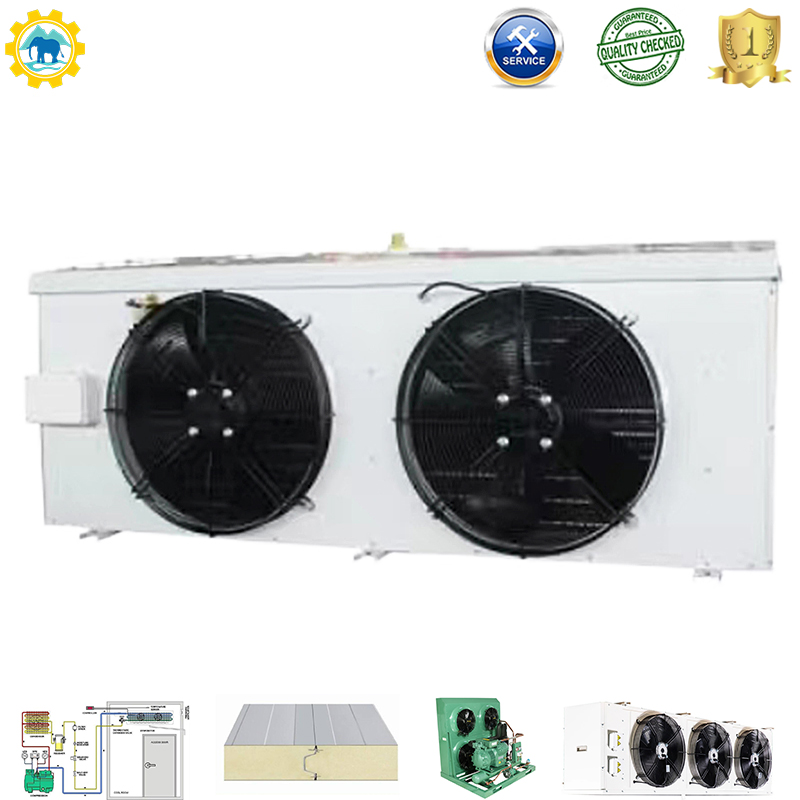
What Is a Fish Cold Room?
A fish cold room is a temperature-controlled refrigeration space designed specifically for storing fresh or frozen seafood under strict hygiene and temperature conditions.
It ensures seafood remains safe, fresh, and marketable by controlling:
Temperature
Humidity
Airflow
Hygiene conditions
Key Purpose:
Slow down bacterial growth
Maintain fish texture and color
Prevent odor and oxidation
Extend shelf life
Why Fish Cold Rooms Are Important
Seafood deteriorates faster than most food products due to enzymatic activity and microbial growth.
A professional fish cold room helps:
Prevent spoilage and financial loss
Maintain export-grade seafood quality
Ensure HACCP food safety compliance
Support global seafood supply chains
Reduce waste in fishing and distribution industries
Fish Cold Room Temperature Requirements
Different seafood types require different storage conditions:
Fresh Fish Storage (0℃ to +2℃)
Used immediately after catch or during short-term storage.
Frozen Fish Storage (-18℃ to -25℃)
Used for long-term preservation and export.
Deep Freezing Storage (-30℃ and below)
Used for premium seafood export logistics.
How Fish Cold Rooms Work
Fish cold rooms operate through a controlled refrigeration cycle:
Compressor compresses refrigerant gas
Condenser releases heat outside
Expansion valve reduces pressure
Evaporator absorbs heat inside the room
This cycle ensures stable low-temperature preservation.
Key Structure of Fish Cold Room
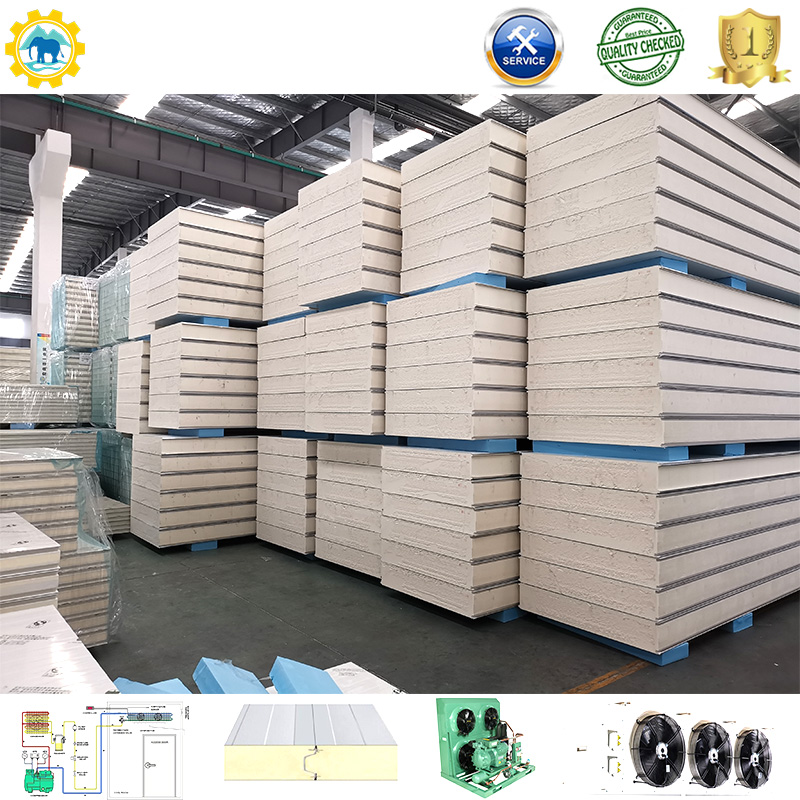
1. Food-Grade Insulated Panels (PU/PIR)
High insulation efficiency reduces heat transfer and energy consumption.
2. Industrial Refrigeration System
Includes:
High-performance compressor
Air-cooled or water-cooled condenser
Evaporator fan system
3. High Humidity Control System
Maintains 85%–95% humidity to prevent fish dehydration.
4. Airflow Management System
Ensures gentle air circulation to avoid surface drying.
5. Hygiene Drainage System
Designed for easy cleaning and bacterial control.
Types of Fish Cold Rooms
Fish Chilling Room
Used for fresh catch storage at 0℃ to +2℃.
Fish Freezing Room
Used for long-term frozen storage.
Seafood Processing Cold Room
Used in cutting, cleaning, and packaging operations.
Fish Distribution Cold Room
Used in wholesale and logistics centers.
Fishing Port Cold Storage System
Used immediately after fish landing.
Fish Cold Room vs Meat Cold Room
Feature | Fish Cold Room | Meat Cold Room |
|---|---|---|
Odor Control | Critical | Moderate |
Humidity Level | Very High | Medium |
Temperature Sensitivity | Extremely High | High |
Hygiene Requirement | Strict | Strict |
Top 15 Fish Cold Room Manufacturers in the World
1. Carrier Commercial Systems (USA)
A global leader in refrigeration and cold chain systems for seafood logistics.
2. Thermo King (USA)
Specialist in transport refrigeration for seafood distribution.
3. Johnson Controls (USA)
Provides integrated cold storage systems for food and seafood industries.
4. GEA Group (Germany)
Leader in seafood processing and hygienic refrigeration engineering.
5. Daikin Industries (Japan)
Advanced precision cooling systems for seafood preservation.
6. BITZER (Germany)
High-performance compressor systems for fish cold rooms.
7. Danfoss (Denmark)
Smart refrigeration control systems for temperature and humidity management.
8. Mayekawa (Japan)
Specializes in industrial low-temperature seafood refrigeration systems.
9. Evapco (USA)
Cooling systems for industrial seafood storage facilities.
10. LU-VE Group (Italy)
Heat exchange systems used in fish cold storage applications.
11. Frascold (Italy)
Compressor technology for industrial refrigeration systems.
12. SCM Frigo (Italy)
CO₂-based energy-efficient refrigeration systems.
13. Heatcraft Worldwide Refrigeration (USA)
Commercial seafood cold storage solutions.
14. Hussmann (USA)
Supermarket seafood display and storage refrigeration systems.
15. Kaideli Fish Cold Room Solutions (China)
Kaideli Refrigeration specializes in designing and manufacturing industrial fish cold storage systems for fishing ports, seafood processing plants, wholesale markets, and export cold chain logistics.
Unlike standard refrigeration suppliers, Kaideli focuses on high-humidity seafood preservation engineering systems, ensuring freshness, odor control, and long-term storage stability.
Company Overview
Kaideli provides complete seafood cold storage solutions including:
Fish chilling rooms (0℃ to +2℃)
Fish freezing rooms (-18℃ to -25℃)
Seafood processing cold rooms
Fishing port cold storage systems
Export seafood logistics cold warehouses
Engineering Advantages
Kaideli systems are designed with:
High humidity preservation system (85%–95%)
Anti-odor airflow circulation design
Food-grade hygienic insulation panels
High-efficiency refrigeration compressors
Smart temperature monitoring system
Core Applications
Fishing ports and landing stations
Seafood processing factories
Wholesale fish markets
Supermarkets and retail seafood counters
Export seafood logistics centers
Global Project Experience
Southeast Asia seafood export cold chain projects
Middle East fish distribution cold storage systems
Africa coastal seafood preservation facilities
Europe seafood processing cold rooms
Why Global Clients Choose Kaideli
Maintains seafood freshness and texture
Prevents odor and spoilage issues
High humidity control technology
Fast modular installation
Custom engineering capability
Why Kaideli Competes in Global Market
Kaideli provides turnkey fish cold storage engineering solutions, including:
Factory direct manufacturing
Custom engineering design
Global export experience
Fast installation systems
Cost-effective refrigeration solutions
Applications of Fish Cold Rooms
Fishing Ports
Immediate post-catch preservation.
Seafood Processing Plants
Cutting, cleaning, and packaging environments.
Wholesale Fish Markets
Bulk distribution cold storage.
Supermarkets
Fresh seafood display and storage.
Export Logistics
Long-distance cold chain transport support.
Global Project Cases
Southeast Asia Fishing Port Cold Room Project
Designed for high humidity coastal environments.
Middle East Seafood Processing Facility
High-temperature resistant cold storage system.
Africa Coastal Fish Cold Storage Project
Post-harvest seafood preservation system.
Europe Seafood Export Cold Chain Warehouse
High-standard export refrigeration system.
Why Clients Trust Kaideli Fish Cold Rooms
Stable Low Temperature Control
Ensures consistent seafood preservation.
High Humidity Freshness System
Prevents dehydration and quality loss.
Odor-Free Storage Environment
Improves hygiene and product quality.
Long-Term Industrial Durability
Designed for continuous heavy-duty operation.
How to Choose the Right Fish Cold Room Manufacturer
Key factors include:
Temperature precision stability
Humidity control capability
Airflow and odor management system
Hygiene compliance standards
After-sales service capability
A reliable manufacturer must provide complete engineering solutions, not just equipment.
Fish Cold Room Cost Factors
Room size and capacity
Temperature requirements
Refrigeration system configuration
Humidity control system complexity
Installation conditions
Energy Saving Technologies
Modern systems include:
High-efficiency compressors
Smart humidity control systems
Optimized airflow design
Advanced insulation panels
Maintenance Tips
Monitor humidity levels regularly
Clean drainage and airflow systems
Inspect refrigeration units
Maintain door sealing systems
Frequently Asked Questions (FAQ)
What is the best temperature for fish storage?
0℃ to +2℃ for fresh fish, -18℃ or lower for frozen fish.
How long can fish be stored in a cold room?
Depends on temperature and species, from days to months.
Why is humidity important in fish cold rooms?
It prevents dehydration and preserves texture.
What is the difference between chilling and freezing fish storage?
Chilling is short-term, freezing is long-term preservation.
How much does a fish cold room cost?
Depends on size, system design, and customization.
Can fish cold rooms be customized?
Yes, fully customized engineering solutions are available.
Conclusion
Fish cold rooms are a critical part of the global seafood supply chain, ensuring freshness, safety, and efficiency from ocean catch to final consumption.
As seafood demand continues to rise worldwide, choosing a reliable manufacturer is essential for long-term business success.
Kaideli Refrigeration delivers high-performance, energy-efficient, and fully customized fish cold storage solutions for global seafood industry clients.
Connect with me: If you are planning a cold storage project or need expert guidance on selecting the right solution for your business, feel free to reach out. I am always happy to share insights from my years of experience in this industry.
Mr. Bruce Zhuang — Project Management Director
Cell / WhatsApp / WeChat: +86 189 6123 0696
✉️ manager@freezercold.com
Related News
-
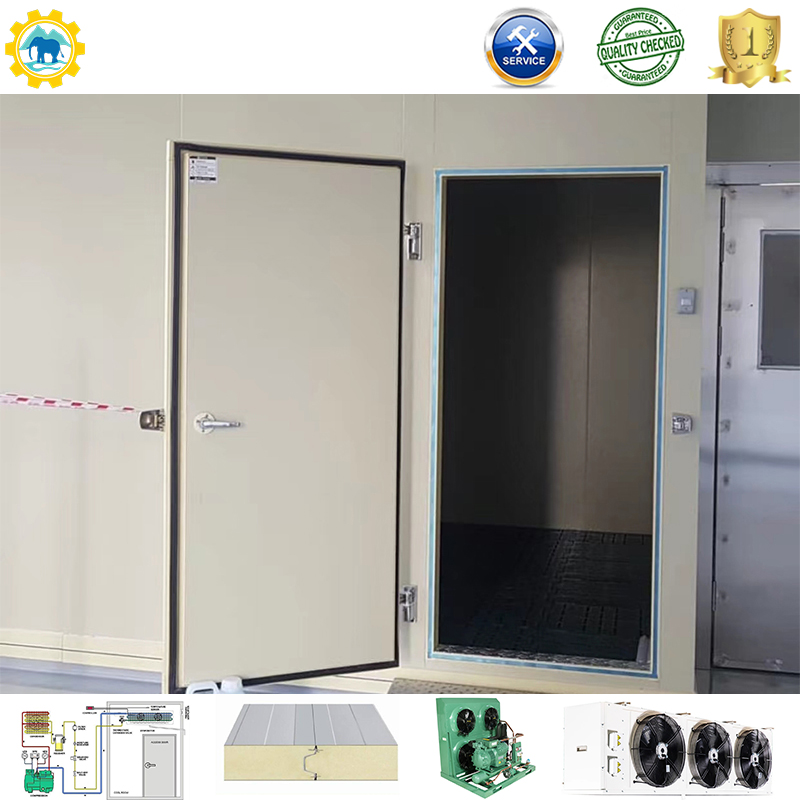 In today’s global food supply chain, small cold storage systems have become essential infrastructure for restaurants, supermarkets, hotels, laboratories, and small-scale food processing facilities. Unlike large industrial cold rooms, small cold storage units are designed for compact spaces, providing efficient temperature control for perishable goods while maintaining low energy consumption and flexible installation. As urban food businesses expand and demand for fresh storage increases, the market for compact walk-in cold rooms (0℃ to +10℃) is growing rapidly worldwide. This guide provides a complete overview of the top 15 small cold storage manufacturers in the world, along with system structure, applications, cost factors, and professional selection advice.Bolg
 -
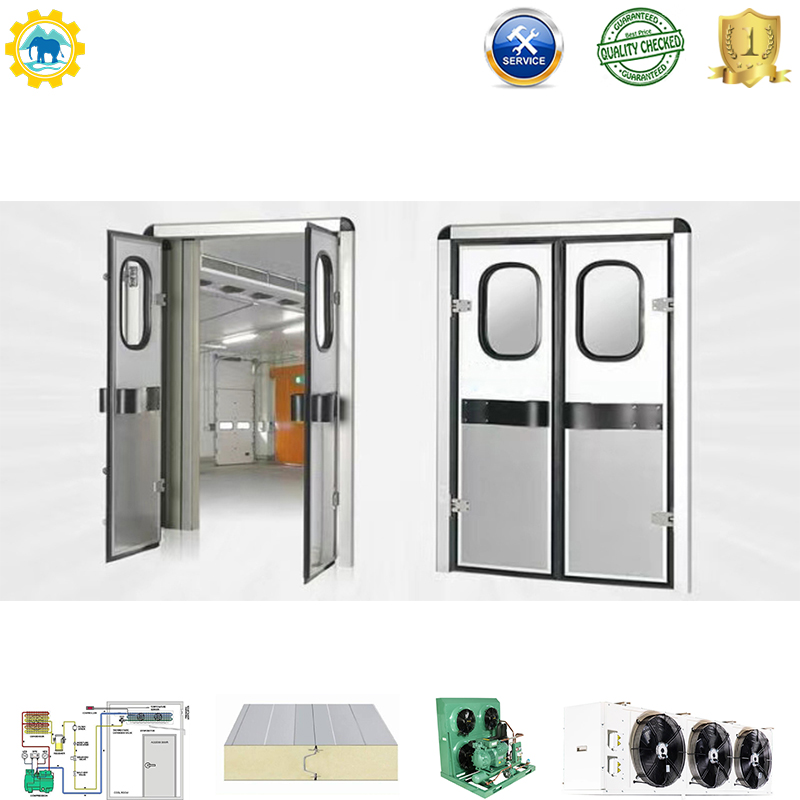 In the global meat processing and cold chain industry, meat cold rooms play a critical role in ensuring food safety, preserving freshness, and extending shelf life of meat products. From slaughterhouses to processing plants and distribution centers, industrial meat cold storage systems are essential infrastructure for maintaining strict temperature control and hygiene standards. As global demand for frozen and chilled meat continues to increase, businesses are actively searching for reliable meat cold room manufacturers capable of delivering high-performance, hygienic, and energy-efficient refrigeration systems. This guide provides a complete overview of the top 15 meat cold room manufacturers in the world, along with system design principles, temperature requirements, applications, cost factors, and expert selection guidance.Bolg
 -
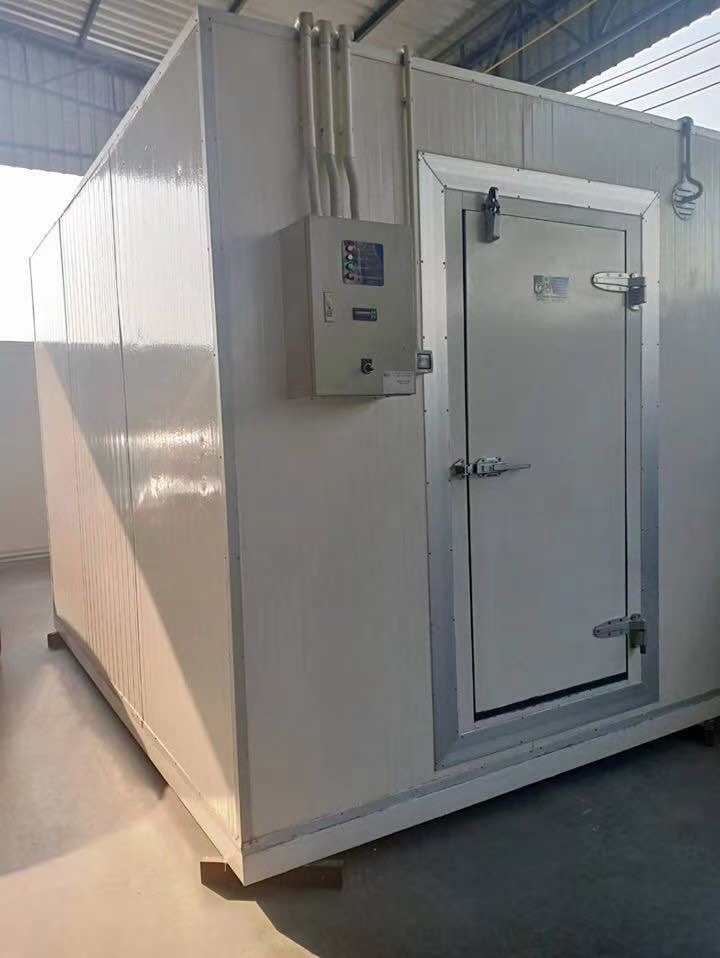 IntroductionCentral kitchen cold storage systems are now a core infrastructure for modern food service industries such as hotels, catering companies, central kitchens, food processing plants, and large-scale distribution centers.As food safety standards become stricter and supply chains become moreBolg
 -
 In the global fresh produce supply chain, fruit and vegetable cold rooms play a critical role in maintaining freshness, reducing post-harvest losses, and extending shelf life from farms to supermarkets and export markets. Unlike standard refrigeration systems, produce cold storage rooms must control temperature, humidity, and airflow simultaneously to preserve biological freshness and reduce weight loss caused by dehydration and respiration. As global demand for fresh food logistics continues to grow, businesses are increasingly searching for reliable fruit & vegetable cold room manufacturers capable of delivering precise post-harvest cold chain engineering solutions. This guide provides a complete overview of the top 15 fruit and vegetable cold room manufacturers in the world, along with technical principles, applications, system design, cost factors, and professional selection guidance.Bolg


